
Thermal Imaging That Helps Detect Hidden Problems
Add infrared thermal imaging to your inspection for deeper insight into moisture, insulation, and electrical concerns.
Some of the most expensive home problems don’t show up during a normal walkthrough.
Thermal imaging uses infrared technology to help identify temperature differences that may indicate hidden moisture, insulation gaps, air leakage, or overheating electrical components.
Carson Dunlop offers thermal imaging as an add-on to your home inspection, giving you deeper insight without invasive testing.
Infrared thermal imaging technology
Helps detect moisture and insulation concerns
Non-invasive and inspection-safe
Clear reporting with photos and findings
Serving Toronto, the GTA
+ Ontario areas
What is Thermal Imaging?
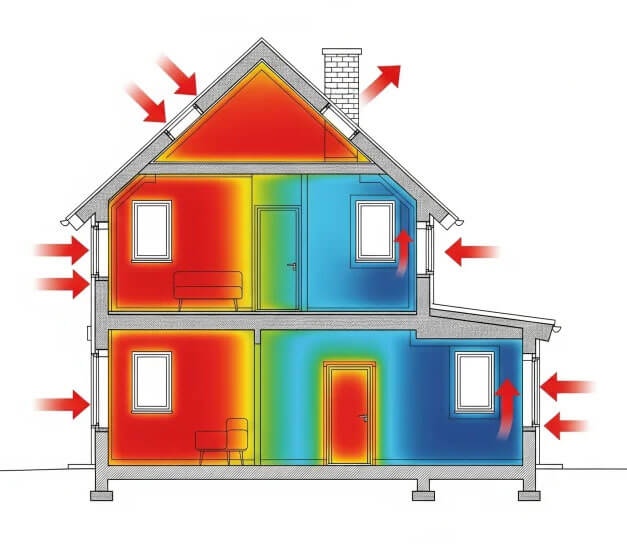
Thermal imaging (also called infrared scanning) uses a specialized camera to detect surface temperature differences.
These temperature patterns can help reveal conditions that may not be visible to the naked eye such as:
Moisture behind finished surfaces
Missing or uneven insulation
Air leakage
Overheating electrical components
Thermal imaging does not “see through walls,” but it can reveal temperature anomalies that suggest a problem worth investigating.
Why Thermal Imaging Is a Smart Add-On
A standard home inspection is visual and non-invasive.
Thermal imaging adds another layer of insight, especially in homes where problems may be hidden behind drywall, finishes, or insulation.
Thermal imaging can help identify:
- moisture intrusion that hasn’t visibly stained yet
- insulation gaps and cold spots
- air leakage around windows, doors, and exterior walls
- overheating electrical components that may indicate risk
- plumbing leaks or moisture patterns under certain conditions
This can help you avoid surprises and make more informed decisions.
Who Should Consider Thermal Imaging?
Thermal imaging is especially valuable for:
Homebuyers purchasing older homes
Buyers purchasing homes with finished basements
Buyers concerned about moisture or mold risk
Buyers purchasing renovated homes (to check for hidden issues)
Homeowners who want a deeper inspection
Anyone buying a home with a finished basement bedroom or living area
Anyone who wants more confidence before closing
If you’re already investing in an inspection, thermal imaging is one of the highest-value upgrades you can make.
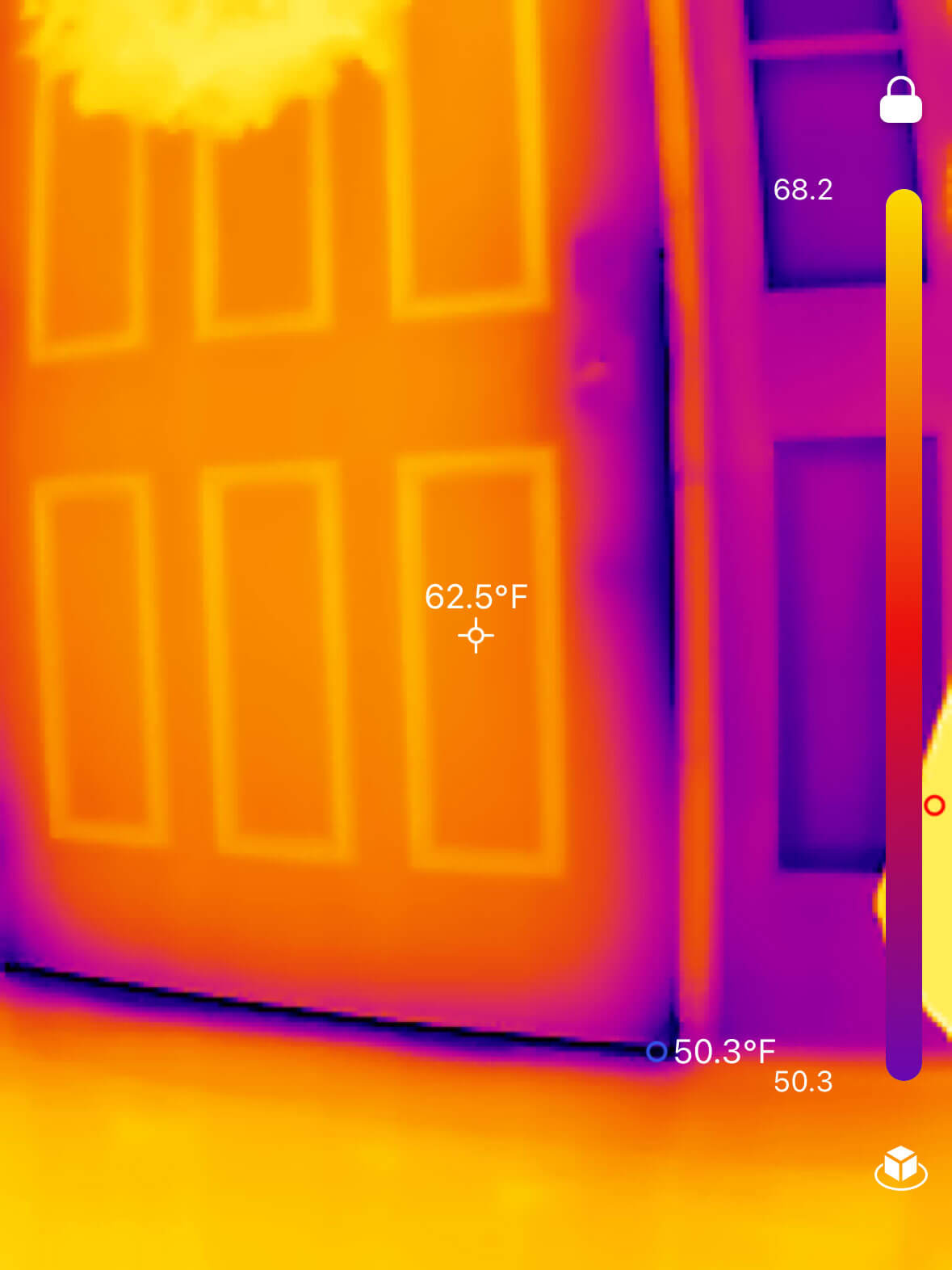
What Thermal Imaging Can Help Reveal
Thermal imaging is used during the inspection to scan key areas and identify temperature anomalies.
Common areas scanned may include:
- ceilings below bathrooms (to look for moisture patterns)
- exterior walls (to identify insulation gaps or cold spots)
- basement walls (to look for moisture intrusion patterns)
- windows and doors (to identify air leakage)
- electrical panels (to identify overheating components)
Thermal imaging findings are documented in your report with clear explanations and photos where applicable.
What Thermal Imaging Does Not Do
Thermal imaging is powerful, but it’s not magic and it’s important to understand what it can and cannot do.
Thermal imaging does not:
see through walls like X-ray vision
confirm mold presence (it can only suggest moisture patterns)
replace invasive testing
guarantee detection of every hidden issue
work perfectly in every condition (weather and temperature differences matter)
What it does do is increase your chances of identifying problems early, especially moisture and insulation concerns.
Why Homebuyers Choose Carson Dunlop for Thermal Imaging
Thermal imaging is only valuable if it’s used properly and explained clearly.
Our inspectors use thermal imaging as part of a professional inspection process and we document findings in a way that helps you understand what matters and what to do next.
Clients choose Carson Dunlop because:
- trained, experienced inspectors
- professional tools and inspection standards
- clear reporting with photos and explanations
- practical, calm guidance (not fear-based upselling)
- follow-up questions are always welcome after the report is delivered
Common Issues Thermal Imaging Can Reveal
Thermal imaging often reveals patterns that prompt deeper investigation or clearer decision-making.
Some common findings include:
cold spots indicating missing insulation
temperature patterns consistent with moisture intrusion
drafts and air leakage around windows and doors
plumbing leaks that are not yet visible on surfaces
overheating breakers or wiring concerns in electrical panels
uneven heating patterns that suggest HVAC distribution issues
Not every anomaly is a major problem but thermal imaging helps identify what’s worth paying attention to.
What Happens Next
1
Book your inspection
Choose your inspection date and request thermal imaging as an add-on.
2
We inspect the home and perform infrared scanning
We complete your inspection and scan key areas using thermal imaging.
3
You receive a detailed report with photos
Findings are documented clearly, with explanations and next steps.
4
We answer follow-up questions
We’ll make sure you understand what was found and what it means.
FAQ
Radon Testing FAQs
What is thermal imaging?
Thermal imaging (infrared scanning) uses a specialized camera to detect temperature differences that may indicate hidden moisture, insulation gaps, air leakage, or overheating electrical components.
Can thermal imaging see through walls?
No. Thermal imaging does not see through walls. It detects surface temperature patterns that may suggest a hidden issue.
Can thermal imaging detect leaks?
It can help identify temperature patterns consistent with moisture intrusion or plumbing leaks, especially under the right conditions. It does not guarantee detection of every leak.
Can thermal imaging detect mold?
No. Thermal imaging cannot confirm mold. It can indicate possible moisture patterns, which may be related to mold risk.
What parts of the home are most affected?
Radon typically accumulates in basements and lower levels because that’s where the home contacts the ground.
Is thermal imaging worth it?
In many cases, yes. It adds another layer of insight to a standard inspection and can help detect problems that aren’t visible.
Does thermal imaging work in every home?
Thermal imaging is affected by conditions like weather, indoor/outdoor temperature differences, and building materials. It is a valuable tool, but not a guarantee.
Is thermal imaging included in a home inspection?
Thermal imaging is typically an add-on service. It can be booked alongside your inspection.
How long does thermal imaging take?
Thermal imaging is performed during the inspection and does not usually add significant time.
How much does thermal imaging cost?
Pricing depends on the property type and package. We confirm the cost upfront when booking.
What areas do you serve for thermal imaging?
We provide thermal imaging as part of inspections across Toronto, the GTA, and many surrounding Ontario communities.
Book Your Inspection + Thermal Imaging
Some home problems are obvious. The expensive ones often aren’t.
Thermal imaging adds another layer of insight — helping you detect moisture concerns, insulation gaps, and other hidden risks before you close.
Serving Toronto, the GTA & Nearby Ontario Areas
We provide thermal imaging as part of inspections across:
Toronto, Mississauga, Brampton, Vaughan, Markham, Richmond Hill, Oakville, Burlington, Milton, Oshawa, Whitby, Pickering, Hamilton, Kitchener, Waterloo, Cambridge, Newmarket, Aurora, Barrie, and more.